Get Electrical Panel Replacement
Electrical panel replacement services involve local contractors upgrading or replacing outdated or faulty electrical panels to ensure safety, improve capacity, and support modern electrical needs.
Electrical panel replacement is a common upgrade for property owners seeking to improve safety, accommodate modern electrical demands, or enhance overall property value. Whether planning a renovation, addressing outdated wiring, or preparing for new appliances and technology, understanding your options and exploring local contractor services can help ensure the project is handled efficiently and effectively. This is a practical step for those looking to maintain a reliable electrical system and ensure their property meets current standards.
For property owners in the area, comparing local service providers can provide clarity and confidence in selecting a qualified contractor for electrical panel replacement. By reviewing available options, you can find experienced professionals who understand the specific needs of your property and can help plan a project that aligns with your goals. Keep reading to discover how local contractors can assist with your electrical upgrade and ensure your property remains safe and functional.
- Electrical Panel Replacement - needed when an existing electrical panel is outdated or no longer meets the power demands of a property.
- Upgrading Electrical Panels - necessary during home renovations or expansions that increase electrical load.
- Faulty or Damaged Panels - requiring replacement when a panel shows signs of damage, corrosion, or frequent breaker trips.
- Code Compliance Updates - needed when local electrical codes have changed, and panels must be upgraded to meet new standards.
- Electrical System Modernization - appropriate when installing a new or more efficient electrical system for better performance.
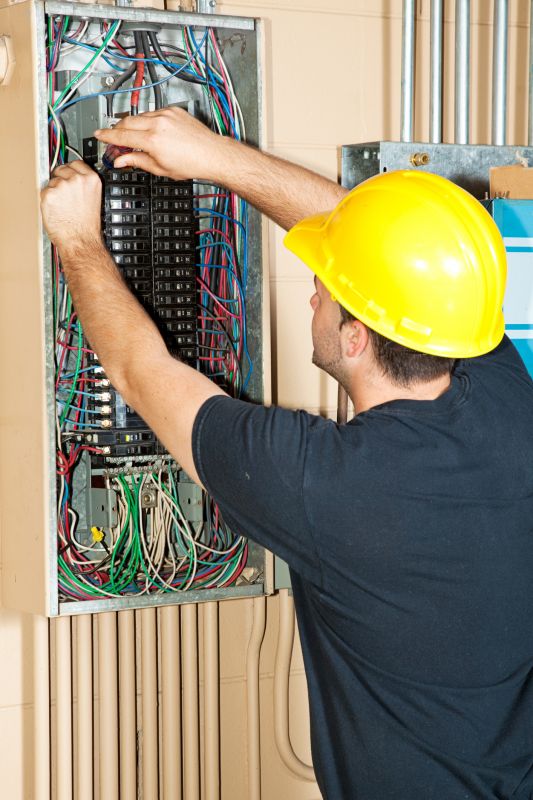
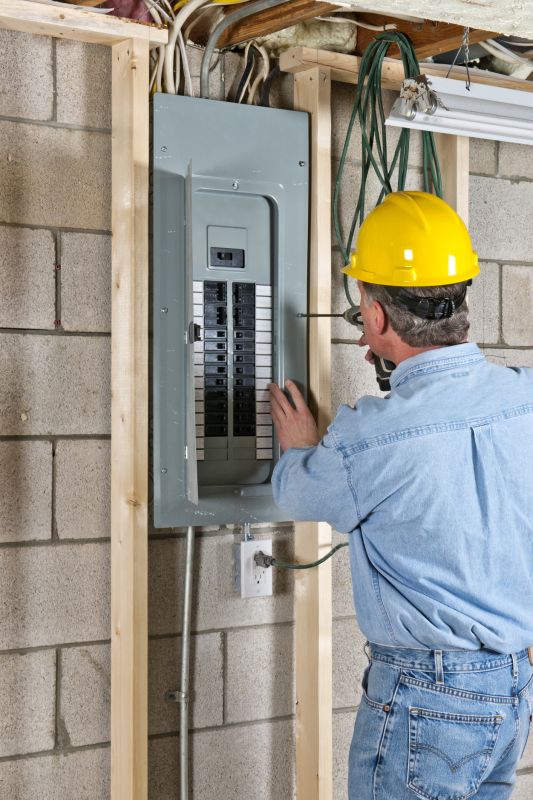
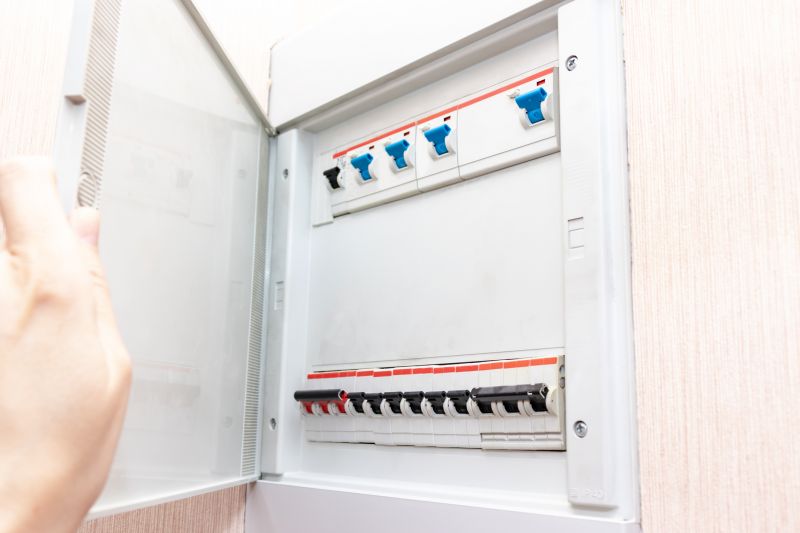
Electrical panel replacement services involve upgrading or installing a new main electrical panel in a property to ensure safe and reliable power distribution. This process typically includes disconnecting the old panel, preparing the space for the new unit, and connecting all necessary circuits and wiring. The goal is to provide a modern, efficient, and code-compliant electrical system that can support current and future power needs. Professional service providers handle the entire replacement process, ensuring that the new panel is properly installed and functioning correctly.
This service helps address common electrical problems such as frequent circuit breaker trips, flickering lights, or insufficient power capacity. Over time, electrical panels can become outdated or damaged due to age, wear, or electrical surges, leading to potential safety hazards. Upgrading the panel can prevent electrical fires, reduce the risk of outages, and improve overall system performance. Homeowners experiencing these issues or planning renovations that require additional circuits often find that a panel replacement is a practical solution to maintain a safe and efficient electrical system.
Electrical panel replacement is frequently needed in a variety of property types, including older homes, new construction, and commercial buildings. Older residences may have panels that no longer meet current safety standards or are unable to handle modern electrical demands. Newer properties might require upgrades to support additional appliances or technology. Commercial properties often need larger or more advanced panels to accommodate higher electrical loads. Service providers can assess the specific needs of each property and recommend the appropriate panel size and type for optimal performance.
Homeowners should consider a panel replacement if they notice signs like frequent breaker trips, burning smells near the panel, or if their electrical system is outdated. Additionally, planning for major home improvements or additions can be a good reason to upgrade the electrical system to ensure it can handle increased power requirements. Contacting local contractors who specialize in electrical panel replacement can provide the expertise needed to evaluate the current system, recommend suitable upgrades, and carry out the installation safely and efficiently.
The overview below groups typical Electrical Panel Replacement projects into broad ranges so you can see how smaller, mid-sized, and larger jobs often compare in your area.
In many markets, a large share of routine jobs stays in the lower and middle ranges, while only a smaller percentage of projects moves into the highest bands when the work is more complex or site conditions are harder than average.
Smaller Repairs - Typical costs for minor electrical panel repairs or upgrades range from $250 to $600. Many routine jobs fall within this middle range, depending on the specific work needed and local rates. Fewer projects require higher-end, more complex work that can reach $1,000 or more.
Partial Replacement - Replacing a portion of an existing electrical panel generally costs between $1,000 and $2,500. This is a common price range for many standard upgrade projects, with some larger or more complicated jobs potentially exceeding this range.
Full Panel Replacement - Complete replacement of an electrical panel typically ranges from $2,500 to $4,500. Many local contractors handle projects within this band, while larger, more complex installations can push costs above $5,000.
Large or Custom Projects - Extensive electrical panel upgrades or custom installations can cost $5,000 and up. Such projects are less common and usually involve additional work or specialized equipment, leading to higher overall costs.
Actual totals will depend on details like access to the work area, the scope of the project, and the materials selected, so use these as general starting points rather than exact figures.
Electrical Wiring Upgrades - professionals who upgrade wiring systems for improved safety and performance often have skills similar to those needed for electrical panel replacements.
Circuit Breaker Installation - installing and replacing circuit breakers requires knowledge of electrical panels and the ability to work with existing electrical systems.
Main Service Panel Upgrades - upgrading the main electrical service panel involves planning and executing work on the primary distribution point in a building.
Electrical System Rewiring - comprehensive rewiring projects involve similar planning, tools, and safety procedures as replacing electrical panels.
Subpanel Installation - adding or replacing subpanels requires an understanding of electrical load distribution and panel configuration.
Home Electrical Inspections - inspections assess electrical panels and wiring, providing insights that inform replacement or upgrade projects.
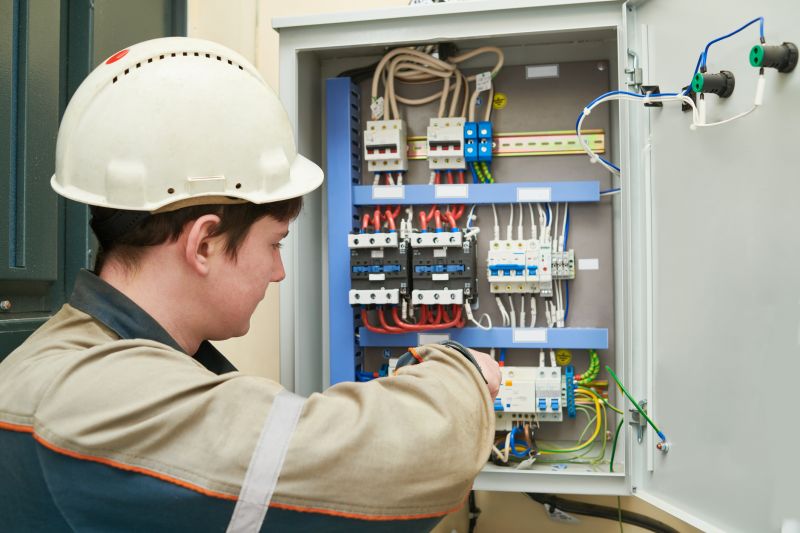
When comparing service providers for electrical panel replacement, it is important to consider their experience with similar projects. Homeowners should look for local contractors who have a proven track record of handling electrical panel upgrades or replacements comparable to the scope of their own project. An experienced professional is more likely to understand the specific requirements and potential challenges involved, which can contribute to a smoother process and a reliable outcome.
Clear, written expectations are essential when evaluating local pros. Homeowners should seek providers who can offer detailed written estimates or proposals that outline the scope of work, materials to be used, and any warranties or guarantees. Having this information in writing helps ensure everyone is aligned on the project details, reduces misunderstandings, and provides a reference point throughout the process.
Reputable references and strong communication are key factors to consider. Local contractors with positive references or reviews from previous clients can give confidence in their professionalism and quality of work. Additionally, good communication-such as prompt responses to inquiries and clarity in explaining options-helps establish a trustworthy relationship. It’s important to choose service providers who prioritize clear, ongoing communication to facilitate a smooth and transparent project experience.
Property owners use Electrical Panel Replacement services for practical projects around their homes and businesses. This guide focuses on everyday jobs and straightforward project options.
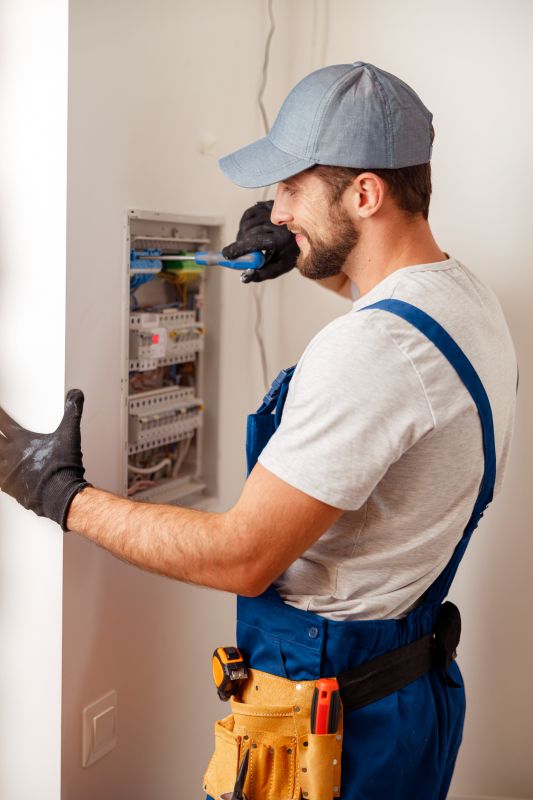
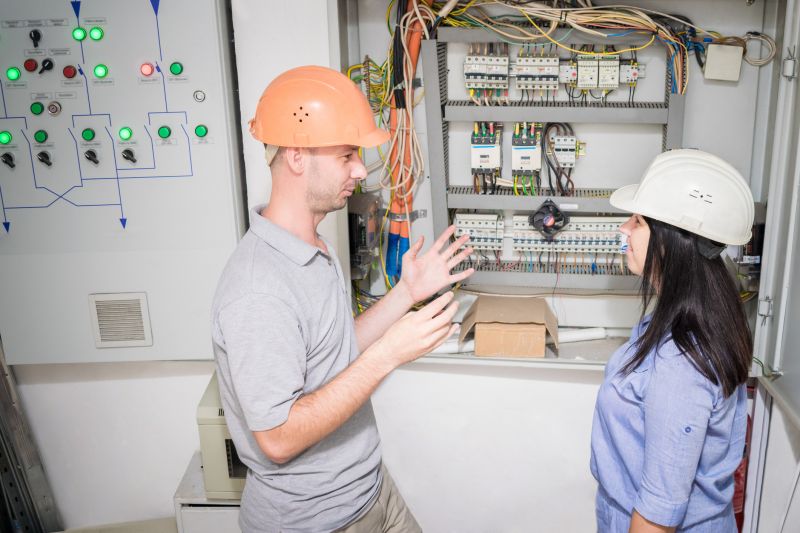
Electrical panel replacement services are often needed when property owners notice frequent circuit breaker trips, flickering lights, or other signs of electrical issues. Older panels may no longer meet the demands of modern appliances and electronics, leading residents or business owners to seek upgrades to ensure reliable power distribution. Additionally, property renovations or expansions can require a panel upgrade to accommodate increased electrical loads, making it essential to work with local contractors experienced in handling these upgrades safely and efficiently.
Property owners in the area might also look for electrical panel replacement when panels become outdated or show signs of damage, such as rust or burning smells. Upgrading the electrical panel can help prevent potential fire hazards and improve overall safety. Whether for a home or commercial property, local service providers can assist with selecting and installing the right panel to meet current electrical codes and the specific needs of the property.
When should I consider replacing my electrical panel? Replacement may be needed if the panel shows signs of aging, frequent breaker trips, or if your home’s electrical demands have increased beyond the panel’s capacity.
What are the benefits of upgrading an electrical panel? Upgrading can improve electrical safety, support additional appliances or circuits, and enhance overall home electrical system performance.
How do local contractors determine if my electrical panel needs replacement? They typically inspect the panel for signs of damage, outdated components, and assess whether it meets the current electrical needs of the home.
What types of electrical panels are available for replacement? Service providers often offer various options including main breaker panels, subpanels, and panels with advanced safety features.
Is electrical panel replacement a safe process? When handled by experienced local contractors, the replacement process is performed following safety standards to ensure proper installation and operation.
Upgrade Electrical Panels for Safety - Property owners can have local contractors replace outdated panels to ensure electrical systems meet current safety standards.
Prepare for Home Renovations - Replacing an electrical panel can support larger appliances or new wiring needs during remodeling projects.
Increase Electrical Capacity - Upgrading the panel allows for additional circuits, supporting added devices or expanded living spaces.
Address Electrical Issues - Replacing a malfunctioning panel can resolve frequent breaker trips and improve overall electrical reliability.
If you are thinking about Electrical Panel Replacement for a property, this guide is meant to help you understand the work, the typical project types, and how different options might fit your plans.
When you are ready, you can use the quote form on this page to share a few details about your project. From there, local pros can review the basics and respond with options that match what you have in mind.